A History of Influencer Marketing in Glamping — And Does It Still Work?
Guest blog by Ann-Tyler Konradi, co-founder of The Yurtopian, a luxury glamping resort in the Texas Hill Country.
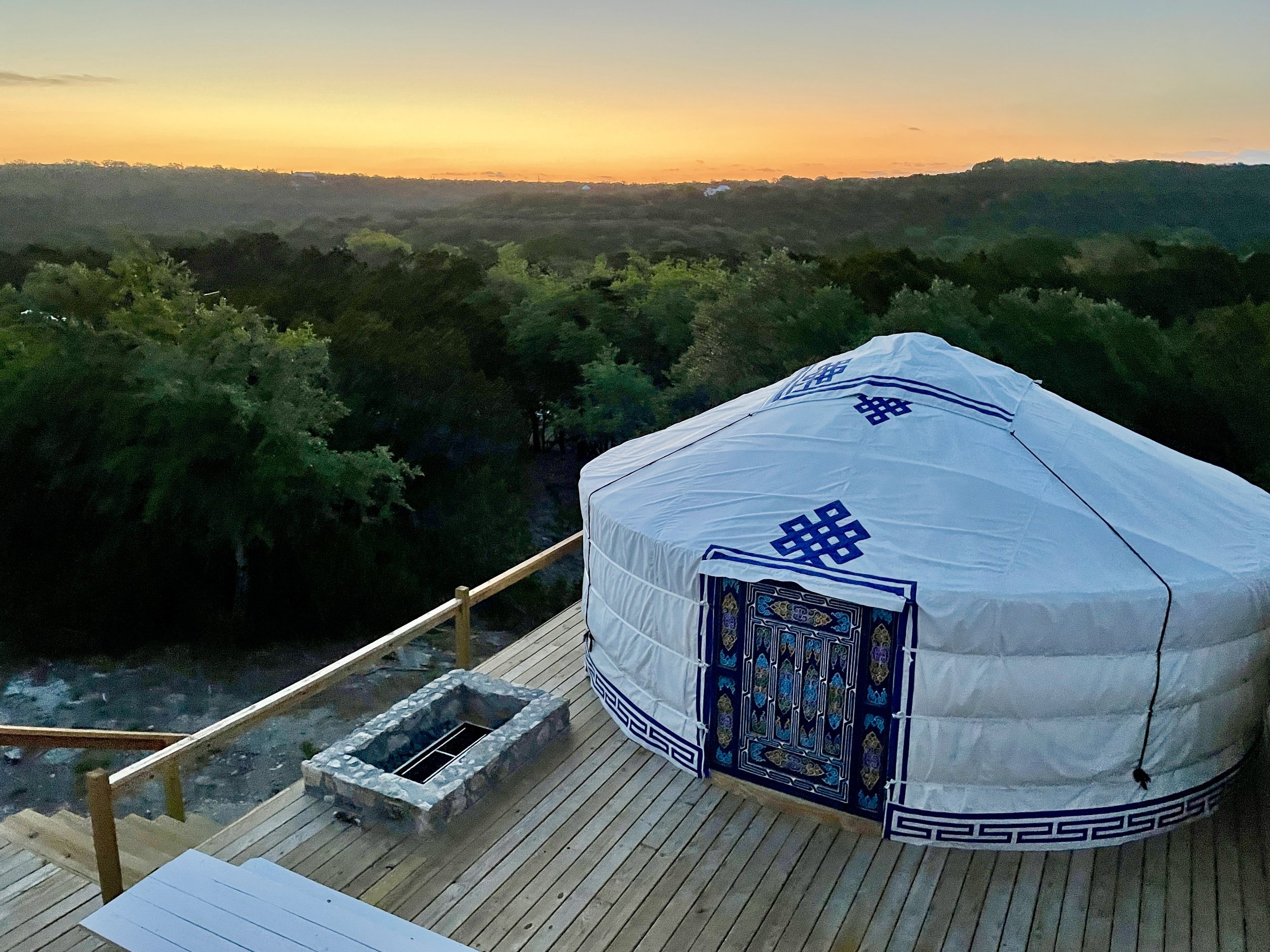
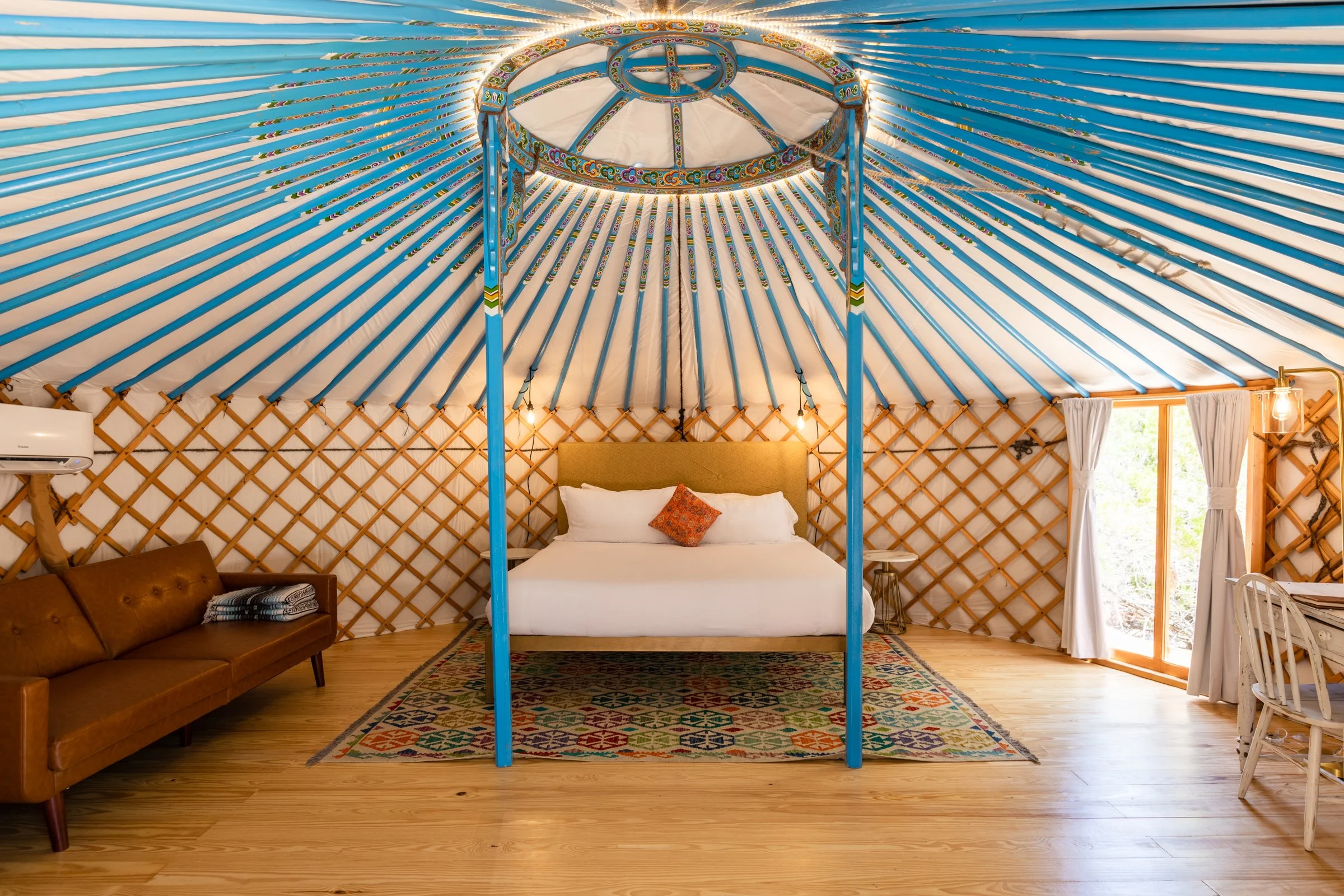
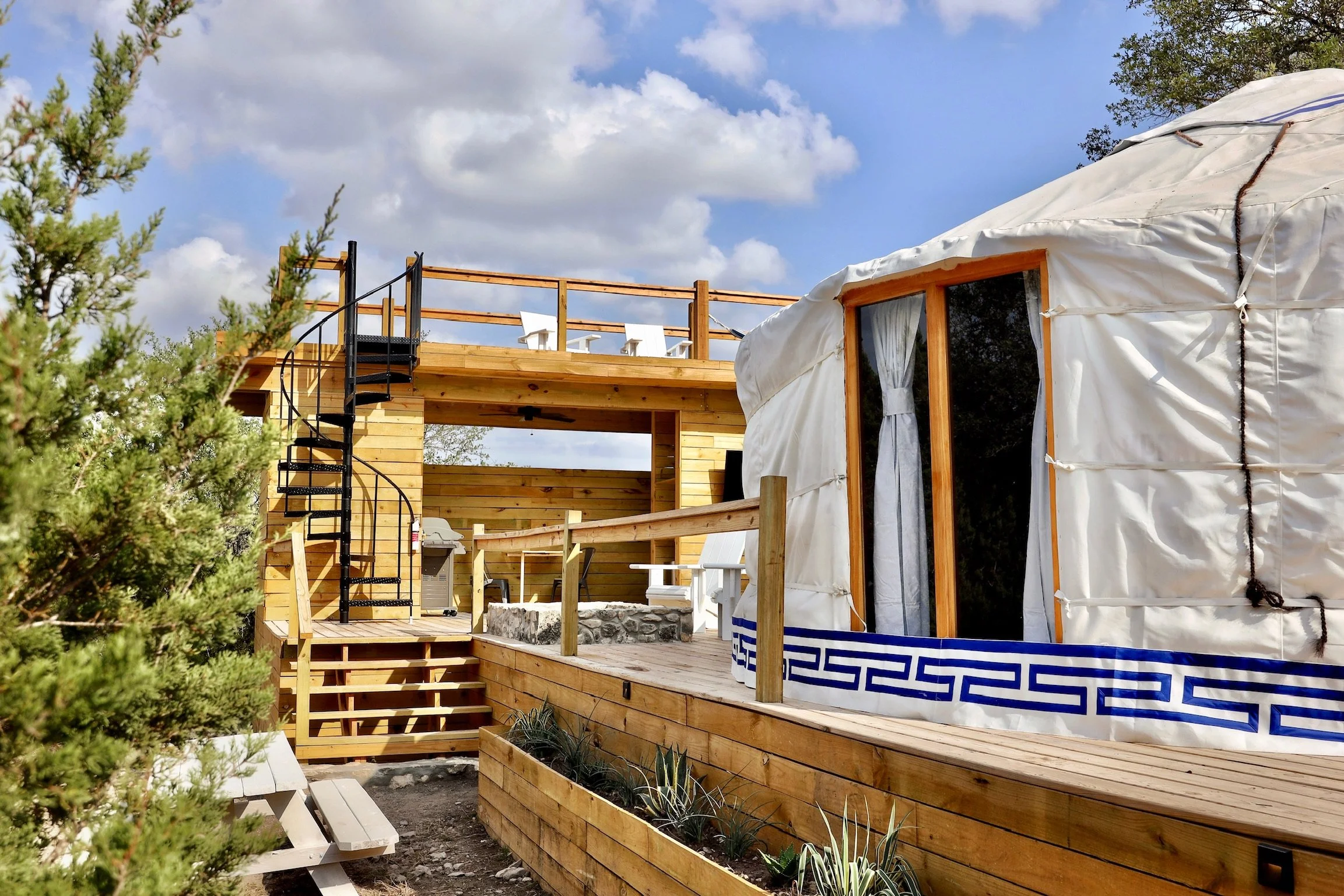
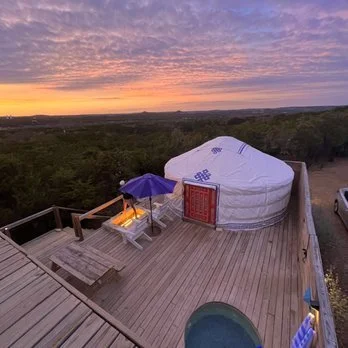
When we opened The Yurtopian in March 2019, we had one handcrafted yurt — Sasha Ger — and a simple strategy: launch a direct-booking website, build a strong brand, and grow organically through Instagram and Facebook.
By December 31, 2019, we had reached 1,000 Instagram followers. We celebrated every single one. Then influencer marketing changed everything.
Phase 1 (2019–2021): The Golden Era of Organic Influencer Growth
In early 2020, a San Antonio influencer reached out asking to stay in exchange for content and a giveaway post. The arrangement was simple:
● She received a complimentary weekday stay.
● She posted a giveaway requiring followers to:
○ Follow her account
○ Follow ours
○ Tag a friend
Within 48 hours, we gained 6,000 followers.
For the next two and a half years — including throughout COVID — influencer marketing became our primary growth engine. We did not pay influencers cash. Our only cost was an in-kind weekday stay.
Their UGC (user-generated content) was visually compelling, authentic, and aligned perfectly with our aesthetic. We reposted frequently. Bookings spiked immediately after posts. We could often trace reservations directly to specific creators.
When an influencer with a strong following in Houston’s Asian community stayed with us, our phone would immediately light up with Houston area codes. The conversion path was visible and measurable.
By 2023, we had grown to nearly 55,000 followers — representing a beautifully diverse guest base. We intentionally collaborated with creators across ethnicities, cities, body types, genders, and communities to reflect our values of inclusivity and belonging. The influencer partnerships mirrored the community we wanted to build.
For several years, influencer marketing for glamping worked — exceptionally well.
Phase 2 (2023–Present): Saturation, Competition & Paid Media
Around 2023, we noticed a rapid shift.
What changed?
1. Instagram giveaways became oversaturated.
2. COVID-era hospitality growth increased competition.
3. We were no longer one of the only glamping destinations in our region.
4. Competitors — including major platforms like Airbnb — began bidding on our brand name in Google Ads.
That was a wake-up call.
Even if guests discovered us through Instagram, they often completed their research on Google. If we weren’t visible — organically or through paid search — we risked losing bookings at the final decision stage.
We cautiously entered digital advertising with a modest monthly budget. It did not stay modest. Today, we invest approximately 10–13% of total revenue into paid media across Google and Meta, including campaign management.
Influencers still visit.
But the phone no longer rings when they post.
The Role of Influencer Marketing in 2026
Influencer marketing in glamping still works — but not in the same way.
What It’s Excellent For:
● High-quality UGC content creation
● Lifestyle photography and video assets
● Creative storytelling
● Top-of-funnel marketing
● Fuel for paid ad campaigns
● Social proof
What It’s Less Reliable For:
● Immediate direct bookings
● Viral follower growth
● Sustained organic reach
Today, influencer content performs best when used inside paid advertising campaigns. The authentic feel of UGC often outperforms highly polished commercial creative in Meta and Google display ads.
In other words:
Influencers have become content partners more than demand generators.
Strategic Advice for Glamping Operators
If you’re considering influencer marketing for your glamping resort, here’s what we’ve learned:
1. Protect Your Prime Revenue Nights
Never trade a high-demand weekend stay that would otherwise book at full price. Open up Sunday–Thursday nights for influencer collaborations.
2. Evaluate Skill Over Follower Count
Follower numbers matter far less than:
● Photography quality
● Video storytelling ability
● Editing skills
● Brand alignment
Micro-influencers with 5,000 engaged followers often outperform larger accounts with passive
audiences.
3. Request Raw Assets
Always request:
● Raw video footage
● High-resolution photography
● Usage rights for paid ads
Your long-term ROI often comes from how you repurpose that content.
4. Integrate With SEO & Paid Search
Influencer marketing alone is rarely sufficient in competitive glamping markets.
You need:
● Strong organic SEO
● Brand keyword protection in Google Ads
● Retargeting campaigns
● Email capture systems
The modern booking journey is multi-touch. Instagram may inspire the trip. Google often closes it.
Final Thoughts: Does Influencer Marketing Still Work?
Yes — but differently.
In 2019, influencer marketing directly drove bookings.
In 2026, it drives creative assets and brand equity.
If you expect free stays to replace a digital ad strategy, you’ll likely be disappointed. If you treat influencers as content collaborators within a broader marketing ecosystem, they can still be incredibly valuable.
For glamping businesses navigating increased competition, rising ad costs, and evolving social platforms, the smartest approach isn’t choosing between influencers or ads.
It’s building a system where both work together.

Ann-Tyler Konradi is the co-founder of The Yurtopian, a luxury glamping resort in the Texas Hill Country. Since opening in 2019, The Yurtopian has grown from one handcrafted Mongolian yurt to a nationally recognized brand through a combination of influencer partnerships, SEO & GEO strategy, and paid media campaigns.