Key Factors to Prepare for Financing a Glamping Business Using SBA 7(a), SBA 504, or USDA Loans
Guest blog by Paul Bosley, Business Finance Depot
Financing a new glamping business can be an excellent way to enter this growing segment of the outdoor hospitality industry. Government-backed loan programs such as the SBA 7(a), SBA 504, and USDA Business & Industry loans offer long terms, competitive interest rates, and flexible uses of funds that make them especially attractive for these projects. However, qualifying for these programs requires careful preparation. Lenders and government guarantors evaluate several core factors to determine whether a project is financeable. Understanding and strengthening these areas before applying can significantly improve approval odds and loan terms.
Good Personal Credit
Strong personal credit is one of the most important foundations for securing SBA or USDA financing. Since most glamping businesses are closely held businesses, lenders place heavy emphasis on the credit profiles of the principals. Typically, a FICO score of 680 or higher is preferred, with scores above 700 providing the most flexibility. Beyond the number itself, lenders examine credit history for patterns—timely payments, limited delinquencies, and responsible use of debt.
Poor credit does not automatically disqualify a borrower, but it raises concerns about repayment ability and financial discipline. Issues such as recent bankruptcies, foreclosures, or significant late payments will need to be explained and mitigated. Proactively addressing credit issues—paying down revolving balances, correcting errors, and establishing consistent payment behavior—can materially improve a borrower’s profile before submitting a loan request.
Liquidity and Access to Capital for the Equity Injection
All SBA and USDA loan programs require an equity injection, commonly referred to as a down payment. For new glamping businesses, equity requirements typically range from 10% to 30% of total project costs, depending on the loan program, borrower experience, and project risk profile. These funds must come from acceptable sources such as savings, cash, marketable securities, or verified retirement account rollovers.
Liquidity is not only about meeting the minimum equity requirement—it also demonstrates financial strength and staying power. Lenders want to see that borrowers have sufficient cash reserves to handle cost overruns, delayed openings, or slower-than-expected ramp-up periods. Borrowed funds, unsecured loans, or undocumented sources are generally not acceptable as equity unless the borrower can demonstrate the debt will be repaid from a source other than the business being financed such as income from a job. Preparing clear documentation showing the availability and seasoning of funds is a critical step in the financing process.
Industry Experience or Transferable Skills
While prior ownership of an glamping business is ideal, it is unusual and not required. What lenders want to see is relevant experience or transferable skills that reduce execution risk. Experience in hospitality, real estate development, property management, construction oversight, tourism, or operations can all be viewed positively when properly presented.
Borrowers without direct industry experience should be prepared to demonstrate how their background translates to managing staff, controlling expenses, marketing, and finance. Hiring experienced on-site managers, engaging professional campground management companies, or retaining consultants can further strengthen a loan application. Lenders assess whether the borrower has the knowledge and support structure to operate the business successfully after construction or acquisition is complete.
A Comprehensive Business Plan with Financial Projections
A well-prepared business plan is essential for SBA and USDA financing. The plan should clearly describe the concept, target market, competitive landscape, amenities, pricing strategy, and marketing approach. For glamping projects in particular, lenders want to understand demand drivers, seasonality, and how the project differentiates itself from traditional lodging or campgrounds.
Equally important are detailed financial projections. These typically include three to five years of projected income statements, cash flow, and assumptions. Projections must be realistic and defensible, reflecting market rates, occupancy expectations, operating costs, and debt service. Lenders will closely analyze whether projected cash flow comfortably covers loan payments while still allowing for reinvestment and reserves. Our company has developed an Excel template for our clients that makes this process much simpler to complete.
Post-Close Liquidity
Post-close liquidity refers to the cash or liquid assets remaining after the loan closes and the equity injection is made. This is a critical but often overlooked underwriting factor. SBA and USDA lenders want to ensure that borrowers are not financially stretched after closing. Adequate post-close liquidity provides a cushion for unforeseen expenses, seasonal fluctuations, or delays in reaching stabilized occupancy.
A strong post-close liquidity position signals financial discipline and reduces default risk. While specific requirements vary, many lenders look for several months of operating expenses and debt service to remain available after closing. Planning for this in advance—rather than using every available dollar for the down payment—can significantly strengthen a loan application.
Conclusion
Successfully financing a new glamping business with an SBA 7(a), SBA 504, or USDA loan requires more than a good idea. Strong personal credit, sufficient liquidity for equity and reserves, relevant experience, a comprehensive business plan with realistic projections, and healthy post-close liquidity all work together to demonstrate creditworthiness. Borrowers who address these factors early will position themselves for smoother approval process, better repayment terms, and long-term success in the outdoor hospitality industry.
For more information, please visit www.businessfinancedepot.com or email Paul Bosley at paul@businessfinancedepot.com.
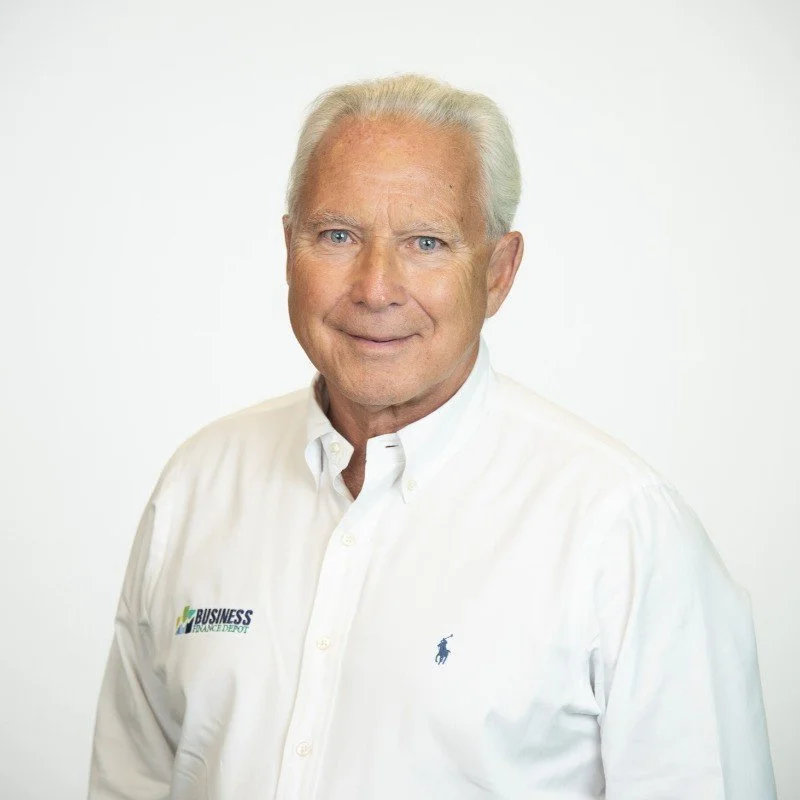
About the Author, Paul Bosley
30+ years of experience as the Managing Member of Business Finance Depot, a company specializing in providing financing to new and existing businesses in the fitness, franchise, and campground industries. Business Finance Depot packages SBA and USDA loans through key lending partners, structures equipment leases to finance the equipment needed to operate various types of businesses, and collaborates with organizations that offer self-funding through the ROBS program and other alternative forms of business financing.