The Hidden Infrastructure Behind 5-Star Glamping: What Guests Never See (But Always Feel)
Guest Blog by Kenny Reed, VP of Construction & Development at Ten Point Services
While much of the glamping conversation tends to center around design, aesthetics, and guest-facing amenities, this article shifts the focus to the systems that matter just as much—often more—when it comes to delivering a seamless guest experience.
Kenny explores the overlooked foundations of a high-performing glampsite: power infrastructure, water management, site layout, weather resilience, and long-term maintenance planning.
The goal of this piece is to give operators practical, real-world insights they can use to strengthen reliability, support scalability, and build sites that thrive as the industry continues to evolve.
When people picture a successful glamping destination, they usually imagine the visible elements first: beautifully designed accommodations, cozy interiors, scenic views, curated amenities, and the kind of setting that feels worthy of a weekend escape and an Instagram post.
What they do not picture is the infrastructure.
They do not think about power loads, water pressure, drainage, access routes, maintenance workflows, or how a site functions on the hottest day of summer after a heavy rainstorm with a full guest roster. And yet those unseen details often determine whether a glamping property feels truly luxurious or quietly frustrating.
That is one of the most interesting realities in this industry: the guest experience is shaped just as much by what is happening behind the scenes as by what is in front of the camera.
For owners and operators, this matters. As the glamping market becomes more competitive, the difference between a property that photographs well and a property that performs well is becoming more obvious. Great design gets guests interested. Thoughtfully executed infrastructure gets them to return, leave strong reviews, and trust the experience enough to recommend it to others.
Luxury, in other words, is not just what guests see. It is what they never have to think about.
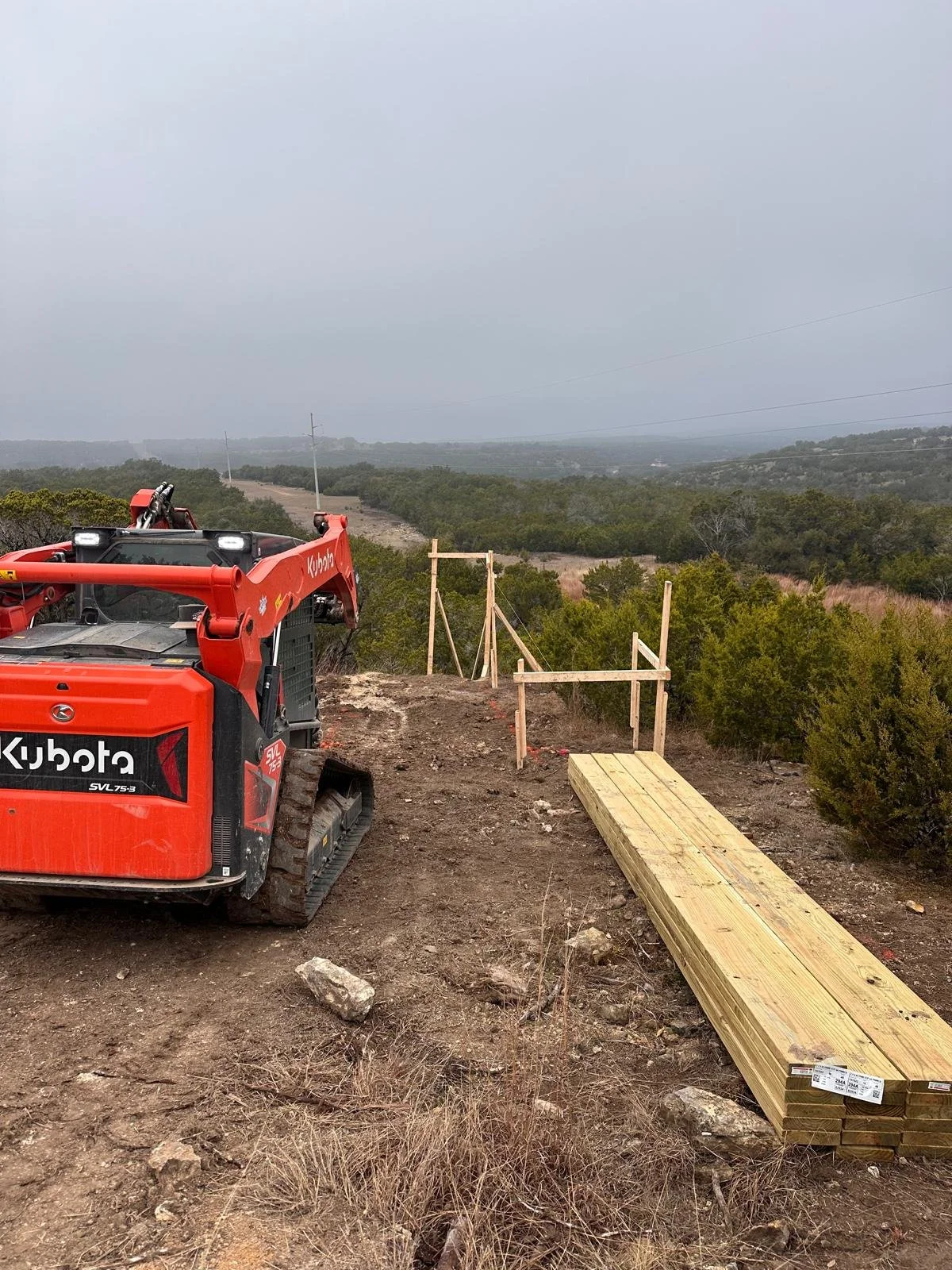
The best guest experiences feel effortless.
A five-star stay should feel easy. The lights work. The shower temperature stays consistent. The HVAC keeps up. Walkways are intuitive. Privacy feels intentional. There are no muddy bottlenecks, no awkward maintenance interruptions, and no sense that the property is improvising its way through the weekend.
That feeling of effortlessness is never accidental.
It comes from planning for the real-world needs of the property long before the guest ever arrives. The most successful operators understand that hospitality does not begin at check-in. It begins with the choices that are made during planning, development, setup, and operations.
Designing from the guest perspective first can be absolutely the right move, depending on the broader operational impact. Views, guest experience, and customer-facing inputs should be at the forefront of decision-making—but they cannot be the entire decision- making process. A tent may belong where the view is best, and a bathhouse may fit naturally where guests can access it most easily. But if utilities are forced to adapt later, service access becomes an afterthought, and maintenance stays reactive, those early choices can create friction behind the scenes that guests eventually feel. On their own, none of these decisions may seem critical. Together, they can quietly undermine the seamless experience operators work so hard to deliver.
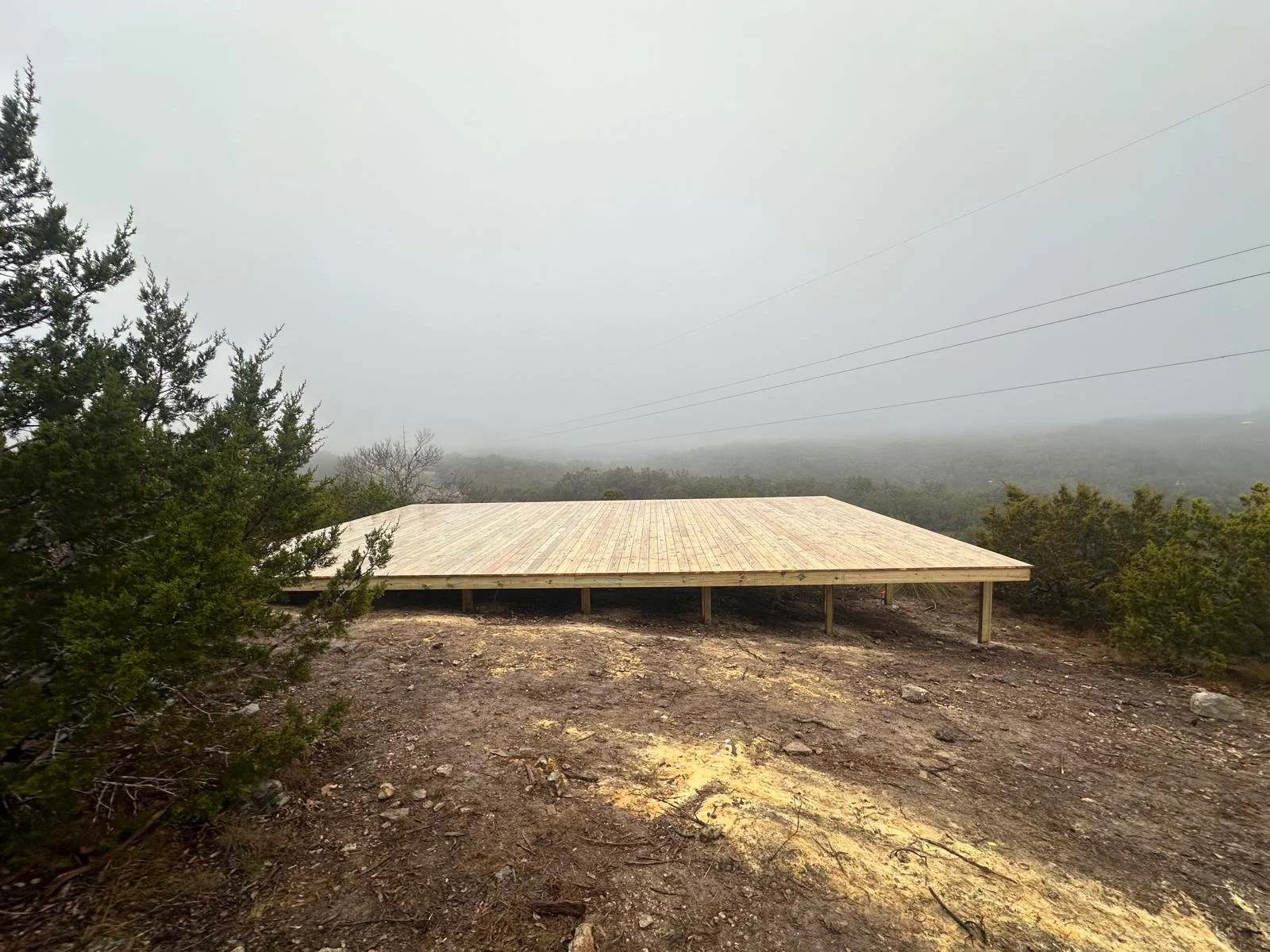
Power is more than a utility. It is part of the promise.
Today’s guest expects comfort. That may include heating and cooling, refrigeration, lighting, device charging, coffee makers, hot water systems, and most times higher-end add-ons like saunas or private hot tubs. Whether the property is off-grid, on-grid, or somewhere in between, power is no longer just a technical requirement. It is part of the guest promise.
When electrical planning is underestimated, the symptoms appear fast. HVAC units underperform. Lighting becomes inconsistent. Backup systems are stressed. Seasonal demand spikes expose weak points. A site can look polished online and still disappoint in person because the infrastructure was not built to support the actual guest load.
Smart operators plan power around both current demand and future growth. That means thinking beyond the minimum needed to get open and asking better long-term questions:
What happens at full occupancy in peak summer?
What additions might come later?
How will the system handle simultaneous use across accommodations and common areas?
Where is redundancy needed?
The more seamless the experience, the more likely it is that the power strategy behind it was taken seriously from the beginning.
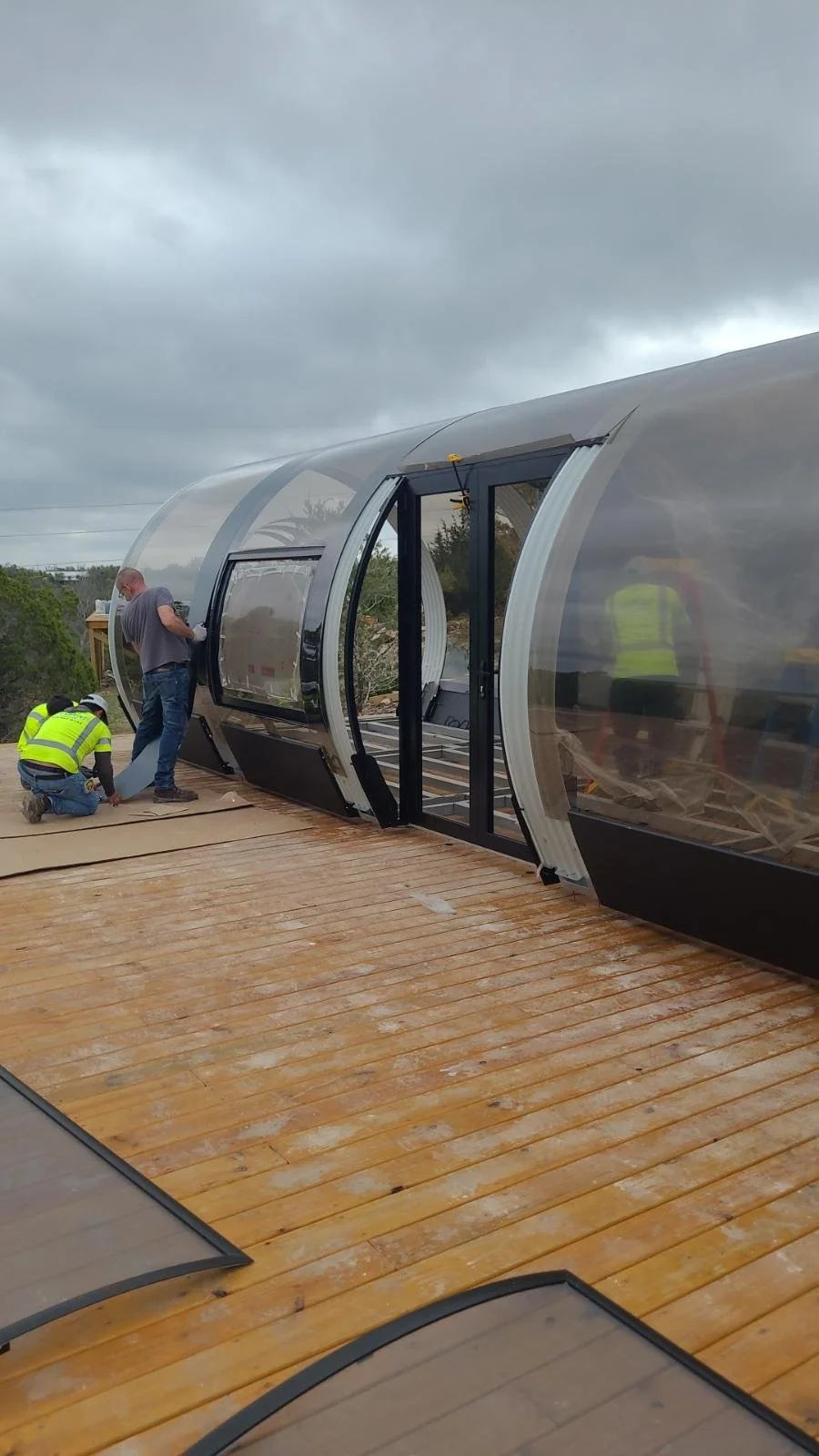
Water and waste systems shape comfort more than most people realize
Guests may rave about the design of a soaking tub or an outdoor shower, but their actual impression is formed by function.
Is water pressure strong?
Does hot water last?
Are restroom facilities convenient and clean?
Does the site stay dry after weather events?
Are there odors, drainage issues, or service disruptions?
These are not glamorous questions, but they are foundational.
Water and waste systems are some of the most important infrastructure decisions on any glamping property, especially in rural or remote settings. They affect guest satisfaction, operational reliability, environmental stewardship, and long-term maintenance costs all at once.
The strongest properties do not simply install a system and hope for the best. They evaluate usage patterns, seasonal peaks, servicing realities, local conditions, and long-term scalability. They understand that what works for a handful of units may not work for twenty, and that the right system on paper still has to work reliably in practice.
In many cases, guests will never remember the technical details of a great water or waste setup. That is exactly the point. When those systems are well planned, they disappear into the experience. When they are not, they become the experience.
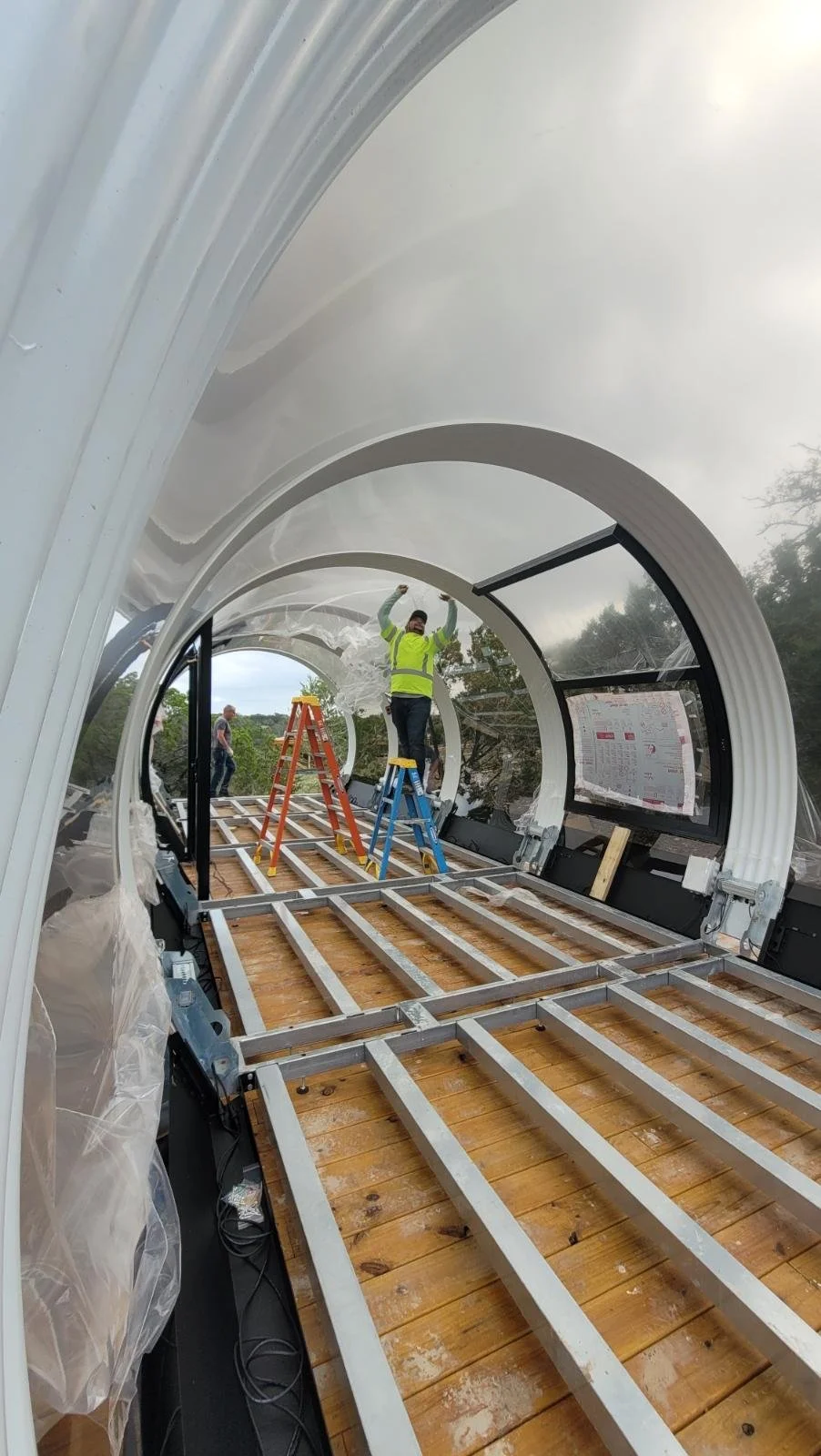
Site layout can improve both revenue and operations
A well-designed site does more than look good from above. It helps the property operate better every day.
Layout influences privacy, noise levels, staff efficiency, maintenance access, cleaning routes, safety, and even how premium a stay feels to the guest. Small design decisions can have large ripple effects. A beautiful unit placement may create difficult turnover logistics. A scenic path may become a muddy problem area. A centrally placed amenity may unintentionally reduce the sense of seclusion guests are paying for.
The best layouts balance three priorities at once: guest experience, operational flow, and future flexibility.
That means asking practical questions early.
What is the sense of arrival?
Can staff access units without disrupting guests?
Are service routes separated from high-visibility guest areas?
Is there enough space to maintain systems without shutting down surrounding accommodations?
Will expansion create congestion later?
Does the current footprint support the kind of pricing and occupancy goals the operator wants to reach?
Thoughtful layout is one of the clearest examples of how infrastructure affects revenue. Privacy supports premium pricing. Good flow reduces labor inefficiencies. Fewer operational disruptions improve reviews. Better long-term planning protects the guest experience as the property grows.
Weather resilience is now part of the business model
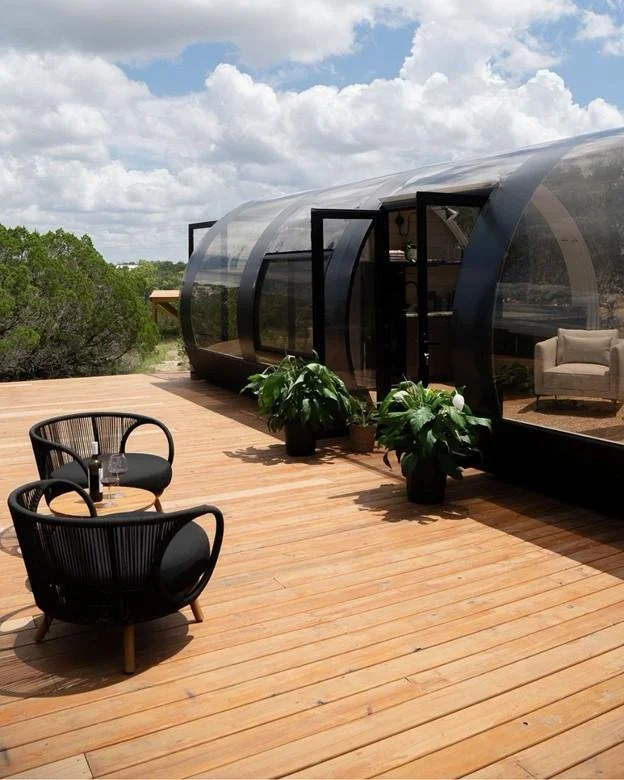
Every glamping operator knows that weather is part of the equation. But increasingly, resilience needs to be treated as part of the business model, not just a seasonal concern.
Heat, cold, humidity, wind, stormwater, and freeze-thaw cycles can all test a site in different ways. Materials that perform well in one climate may fail in another. Drainage that seems adequate in mild conditions may become a major issue during a heavy weather event. Access roads, utility runs, anchoring strategies, and maintenance frequency all become more important under stress.
Guests may choose glamping for the feeling of connection to nature, but they still expect comfort and reliability in changing conditions. In fact, that contrast is what makes the experience appealing: adventure without unnecessary discomfort.
Operators who build with local weather realities in mind are better positioned to protect uptime, reduce emergency fixes, and maintain guest trust. That is not just a construction issue. It is a brand issue. Every canceled stay, every avoidable outage, and every weather-related inconvenience shapes how guests perceive the property.
A resilient site is not one that avoids bad weather. It is one that continues to deliver a high-quality experience through it.
Maintenance is where brand standards are either protected or lost
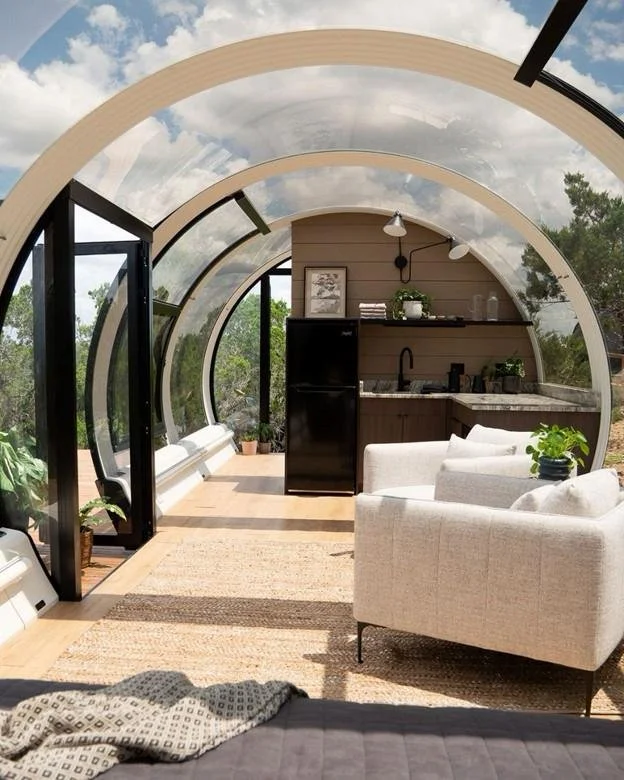
Many guest complaints do not begin with major failures. They begin with small signs that a property is not fully in control of its operations: a loose fixture, an underperforming AC unit, inconsistent lighting, a soggy path, a delayed repair, a restroom issue that lingers too long.
Individually, these problems may seem minor. Collectively, they signal a gap between the brand promise and the actual guest experience.
That is why maintenance strategy matters so much in glamping. A strong preventive approach protects not only the physical asset, but also the guest perception of quality. It helps staff stay ahead of issues, supports faster turnover, reduces downtime, and creates more consistent experiences across seasons.
The goal is not perfection. It is predictability.
Properties that scale successfully tend to establish systems early: inspection checklists, service schedules, clear accountability, operational documentation, and infrastructure choices that are maintainable in the real world. Reactive operations may work for a while, especially at small scale, but they become expensive and disruptive over time.
The strongest brands in hospitality are often the ones that make complexity look simple. In glamping, maintenance is a major part of how that happens.
The future of glamping will reward operators who build beyond aesthetics
There is no question that design matters in this industry. It inspires bookings, shapes identity, and helps properties stand out in a crowded market. But as glamping continues to mature, operators who win long term will likely be the ones who pair beautiful concepts with disciplined execution.
That means building properties that do not just look memorable on opening day, but continue to perform season after season. It means recognizing that infrastructure is not separate from hospitality. It is hospitality.
At Ten Point Services, we believe some of the most important work on a glamping project happens in the decisions guests never see. Those decisions influence comfort, reliability, efficiency, resilience, and ultimately reputation. When the hidden systems are planned well, the guest experience feels polished, intentional, and easy. When they are overlooked, even the most beautiful property can struggle to deliver on its promise.
In a category built around memorable escapes, that distinction matters.
Because in the end, guests may come for the view, the one off unique accommodations, or the promise of outdoor luxury. But what they remember most is how the stay felt.
And that feeling is built behind the scenes.
About the Author
Kenny Reed, VP of Construction & Development, Ten Point Services
Kenny Reed brings over 15 years of management experience spanning private companies, government entities, and non-profit organizations. As a partner at Ten Point Services, he specializes in glamping development, trail systems, and recreation-focused infrastructure—helping create destinations that inspire meaningful connection with nature. From concept to completion, Kenny and the Ten Point Services team deliver turnkey solutions for parks, resorts, and private developments across Texas and beyond.